

Types of Piles and Their Symptoms: Grades & Treatment
- October 23, 2026
- By admin

Different Types of Piles: Symptoms, Grades, Causes and Treatment
Piles, also known as hemorrhoids, are swollen veins in the anus and lower rectum. Common symptoms include bleeding, itching, swelling and discomfort during bowel movements. Learning about the different types of piles can help people recognise symptoms and seek appropriate medical care.
Understanding the causes, grades and treatment options is important for anyone looking for piles treatment in Ahmedabad. Akshar Hospital, located in Vejalpur, Ahmedabad, provides healthcare services for patients seeking medical evaluation for piles and other surgical conditions.
What Are the Different Types of Piles?
Hemorrhoids are mainly classified as internal or external piles. Their location affects the symptoms a person may experience. Prolapsed and thrombosed piles are additional forms that may require medical attention. Understanding piles and the need for timely treatment can help patients recognise symptoms and understand when to seek medical advice.
1. Internal Piles
Internal piles develop inside the rectum. Bleeding during bowel movements is a common symptom, although it is often painless. In advanced cases, the swollen tissue may protrude through the anus.
Common symptoms of internal piles include:
- Bright-red blood during or after passing stool
- Tissue protruding from the anus in advanced cases
- Mucus discharge or irritation
- A feeling of incomplete bowel emptying
Uncomplicated internal piles are usually not painful. However, rectal bleeding should be evaluated by a doctor because other medical conditions can cause similar symptoms.
2. External Piles
External piles develop beneath the skin around the anus. The surrounding area contains sensitive nerves, which can make these hemorrhoids uncomfortable or painful.
Common symptoms of external piles include:
- Itching or irritation around the anus
- Swelling or a lump near the anal opening
- Pain while sitting or passing stool
- Tenderness when cleaning the affected area
Persistent pain, increasing swelling or repeated bleeding needs medical assessment. A doctor can identify the cause and recommend suitable care.
3. Thrombosed Piles
Thrombosed hemorrhoids develop when a blood clot forms inside an external hemorrhoid. This condition can cause sudden pain and a tender lump near the anus.
The affected area may appear bluish or purplish. Severe pain or rapidly worsening swelling warrants prompt medical attention.
Treatment depends on the severity of symptoms, their duration and the patient’s medical history. A medical examination helps determine the most appropriate approach.
4. Prolapsed Piles
Prolapsed piles occur when internal hemorrhoidal tissue extends through the anal opening. Mild prolapse may return inside naturally, whereas advanced cases may remain outside.
Common symptoms include a protruding lump, irritation, mucus discharge and difficulty maintaining hygiene. A doctor can assess the severity and discuss appropriate treatment options.
What Are the Four Grades of Piles?
Doctors classify internal hemorrhoids into four grades according to the extent of prolapse. This classification helps determine the severity of the condition and guide treatment decisions.
- Grade 1: Hemorrhoids remain inside the rectum and may cause bleeding without prolapse.
- Grade 2: Hemorrhoids protrude during bowel movements but return inside on their own.
- Grade 3: Protruding hemorrhoids generally require manual reduction.
- Grade 4: Hemorrhoids remain prolapsed and cannot be pushed back inside.
The grade helps doctors assess the condition and discuss suitable treatment options. Symptoms, previous treatments and overall health also influence the recommended approach.
Advanced piles do not always require the same procedure. A qualified doctor should evaluate each case before recommending treatment.
What Causes Piles?
Increased pressure on the veins and supporting tissues around the anus and lower rectum can contribute to hemorrhoids. Certain daily habits and health conditions may increase the risk.
Common causes and risk factors include:
- Chronic constipation and hard stools
- Straining during bowel movements
- Sitting on the toilet for prolonged periods
- A diet low in dietary fibre
- Pregnancy and childbirth
- Excess body weight
- Persistent diarrhoea or irregular bowel habits
- Age-related weakening of supporting tissues
Healthy bowel habits can help reduce straining and support digestive health. Nevertheless, persistent or recurring symptoms may require medical treatment.
How Are Piles Diagnosed?
A doctor begins by reviewing the patient’s symptoms, medical history and bowel habits. Depending on the findings, the examination may include a physical assessment, a digital rectal examination or anoscopy.
Further tests may be necessary when rectal bleeding requires additional investigation. Bleeding should not automatically be attributed to piles, particularly when it persists or occurs alongside changes in bowel habits or unexplained weight loss.
Anyone searching for a piles doctor in Ahmedabad should consult a qualified medical professional for an appropriate diagnosis. Early assessment can help identify the cause and determine the next steps.
What Are the Treatment Options for Piles?
The right treatment depends on the type of hemorrhoids, their grade and the severity of symptoms. Some patients improve with lifestyle changes, while others may need medicines or medical procedures. For advanced or recurring cases, piles surgery in Vejalpur at Akshar Hospital is a relevant topic to discuss with a qualified surgeon when exploring suitable treatment options.
1. Dietary and Lifestyle Changes
Mild piles symptoms may improve when constipation and straining are reduced. Simple changes to daily habits can help support regular bowel movements.
Helpful measures include:
- Eating fibre-rich foods such as fruits, vegetables, legumes and whole grains
- Drinking adequate fluids, unless medically restricted
- Staying physically active
- Avoiding prolonged sitting on the toilet
- Responding promptly to the urge to pass stool
- Avoiding excessive straining during bowel movements
A warm sitz bath may also relieve irritation and discomfort. These measures can help control symptoms, although they may not resolve advanced hemorrhoids.
2. Medicines for Symptom Relief
Doctors may recommend creams, ointments, stool-softening treatments or other medicines based on the patient’s condition. Certain topical products are suitable only for short-term use.
Avoid prolonged self-medication if bleeding, pain or swelling continues. Medical advice can help determine whether further investigation or treatment is necessary.
3. Minimally Invasive Procedures
Persistent symptoms may require a minimally invasive procedure. Rubber band ligation is one option for selected cases of internal hemorrhoids.
The suitability of a procedure depends on the location and grade of the piles. Before treatment, a doctor can explain the benefits, limitations and potential risks.
4. Surgery for Piles
Surgery may be recommended for selected patients with large, recurrent, advanced or complicated hemorrhoids. The appropriate procedure depends on the clinical findings and individual needs.
Before deciding on surgery, discuss the expected benefits, recovery time, potential risks and available alternatives with a qualified surgeon.
How Can You Prevent Piles?
Healthy bowel habits can reduce straining and may help prevent recurring symptoms. Consistent lifestyle changes also support digestive health.
Consider these preventive measures:
- Include sufficient dietary fibre in your daily meals.
- Drink adequate water according to your health needs.
- Exercise regularly to support overall health.
- Avoid straining while passing stool.
- Limit the time spent sitting on the toilet.
- Seek medical advice for persistent constipation or diarrhoea.
- Get recurring rectal bleeding medically evaluated.
These habits may improve bowel regularity and reduce straining. However, they cannot guarantee complete prevention or replace treatment when needed.
When Should You See a Doctor for Piles?
Repeated rectal bleeding or persistent anal pain should not be ignored. A growing lump, recurrent prolapse or symptoms that fail to improve with basic care also warrant medical assessment.
Seek urgent medical attention for heavy bleeding, dizziness, fainting, severe sudden anal pain or rapidly worsening swelling.
Early evaluation helps identify the cause of symptoms and determine appropriate care. Timely medical advice can also prevent delays in diagnosing other conditions that may resemble piles.
Frequently Asked Questions About Piles
How many types of piles are there?
The two main types are internal piles and external piles. Prolapsed and thrombosed hemorrhoids describe additional presentations or complications.
What are the four grades of piles?
Which type of piles is more painful?
Can piles go away without surgery?
Does bleeding always mean piles?
When should I consult a piles doctor in Ahmedabad?
Where can I seek piles treatment in Vejalpur?
Piles Treatment in Vejalpur, Ahmedabad
Akshar Hospital, located in Vejalpur, Ahmedabad, provides healthcare services for patients seeking medical evaluation and treatment for piles and other surgical conditions.
If you are experiencing anal pain, itching, swelling or rectal bleeding, consult a qualified medical professional to understand the cause of your symptoms and the available treatment options.
For a piles treatment consultation, contact Akshar Hospital at 079 2682 2254 or 8511557873.
Related Blogs
- June 21, 2026
Laser, Laparoscopic and General Surgery in.
Surgery is an important part of treatment for many medical conditions. However, advances in modern surgical techniques can help make.
Read More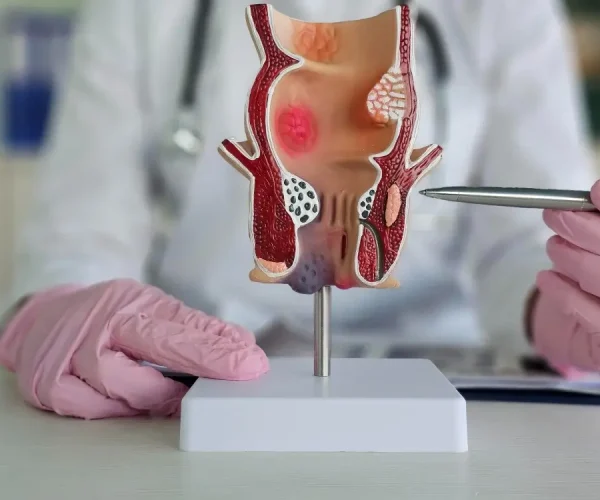
- August 22, 2026
Piles Surgery in Vejalpur: Advanced Piles.
Piles, also known as hemorrhoids, are swollen blood vessels around the anus and lower rectum. They are a common condition.
Read More